Toys Bazaar.
A character universe for children, and the commerce platform that sells it — twelve figures, two ranges, one store that serves shoppers and wholesalers from the same catalogue.
Scroll
A character universe for children, and the commerce platform that sells it — twelve figures, two ranges, one store that serves shoppers and wholesalers from the same catalogue.
A children's brand arrived with a mission rather than a range: inspire kids to dream big, stay curious, help others. Turning that into something a factory can quote and a parent can buy meant two jobs most studios split apart — inventing the characters, and building the business that ships them. We took both.
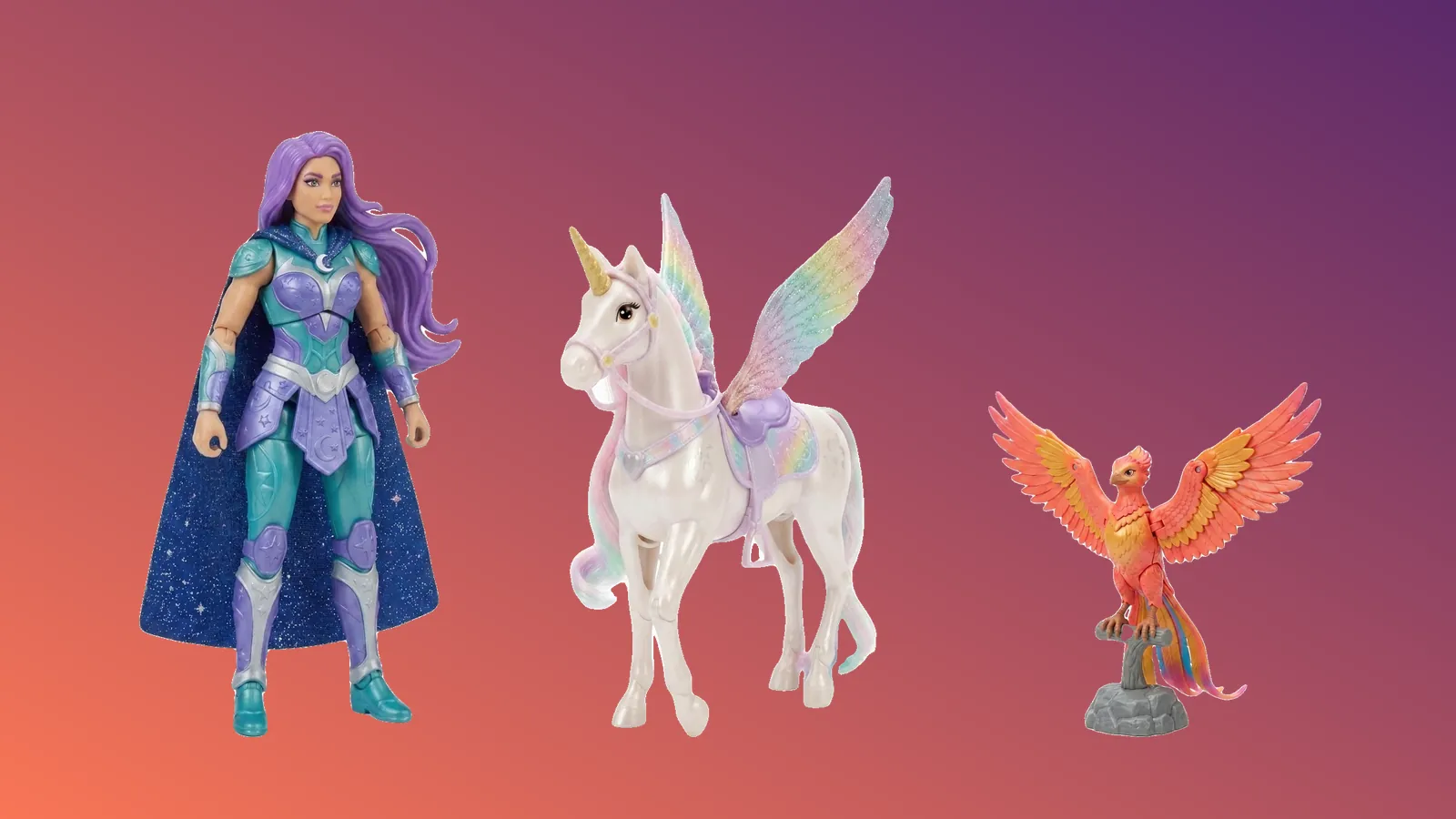
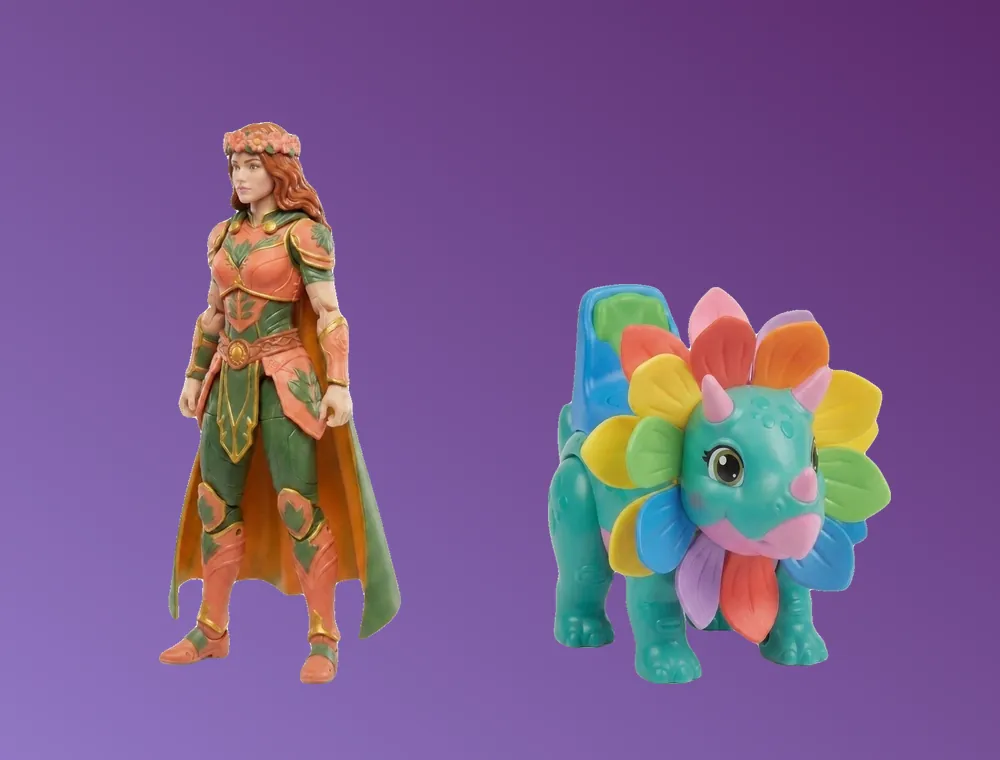
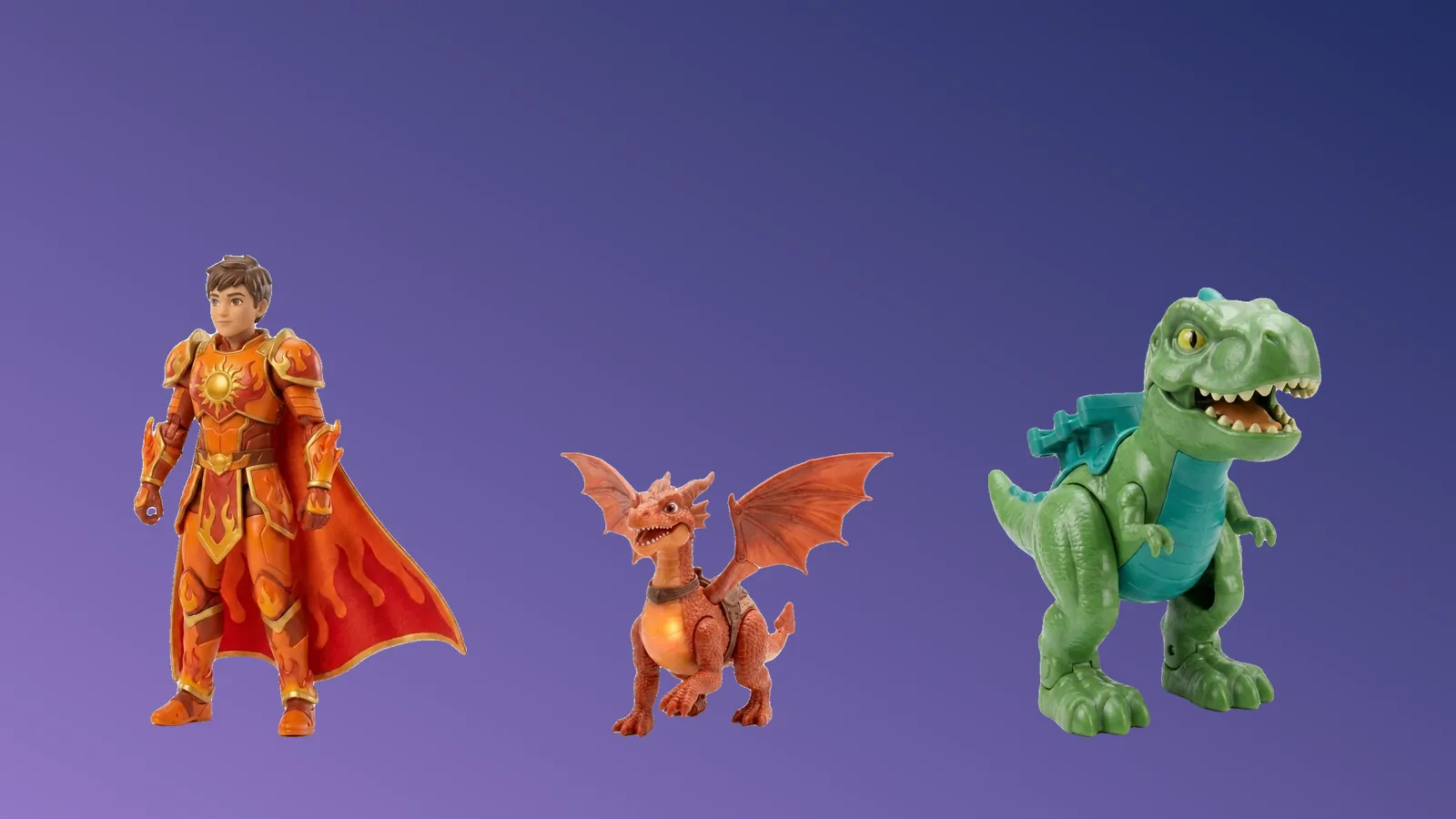
Twelve figures across two ranges, and one rule underneath all of them: every hero pairs with a companion creature inside its own range. Blaze rides Emberclaw; Luna rides Moonbeam. That is a merchandising decision and a story decision at once — it gives a child a reason to want the second box, and it gives the range a spine that survives new characters.
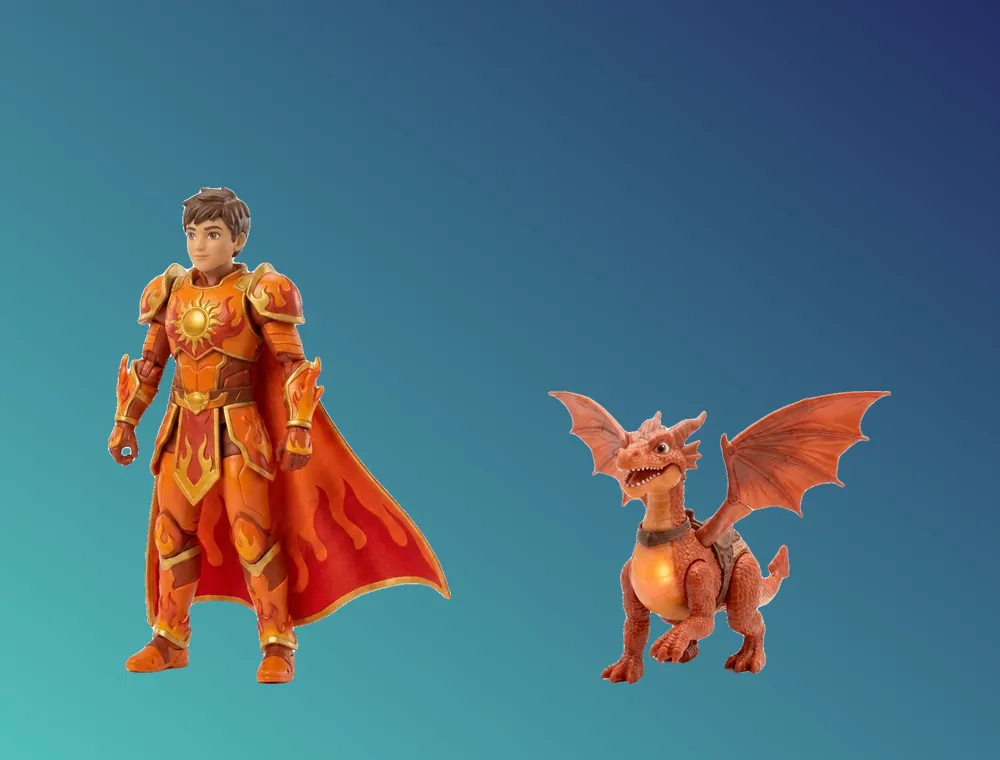
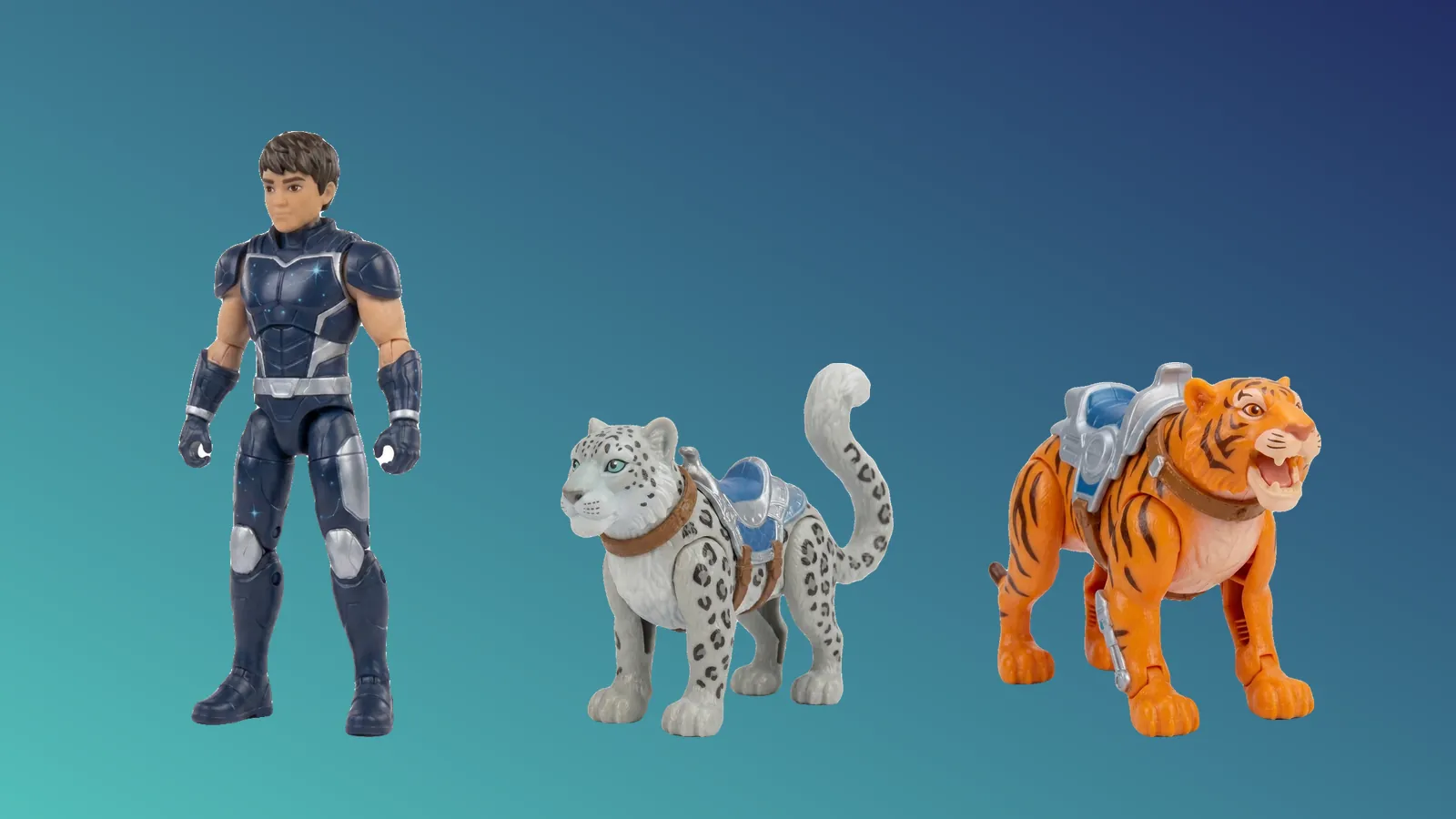
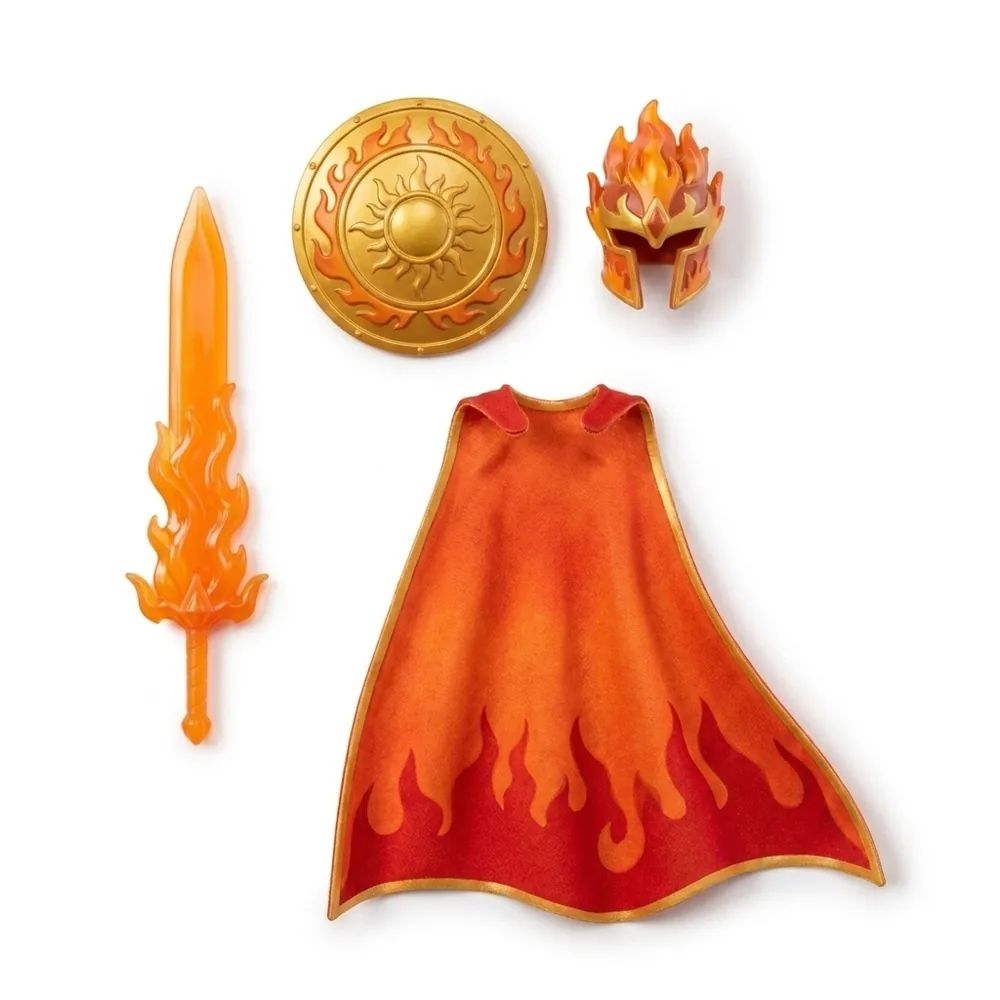
Each character ships as a folder a manufacturer can work from directly: six locked renders, dimensions in centimetres and inches, bill of materials, colourway in hex and Pantone, articulation points, the accessory list, and EN71 / ASTM age-4-plus safety notes. Heroes keep visible faces and every mask is a removable accessory, because a fused helmet reads as a different kind of toy.
The same twelve products face a parent buying one figure and a distributor buying four hundred. Rather than run two stores, the platform runs one catalogue with a wholesale tier layered over it — quotations, bulk order, contract pricing and an approval flow — plus the unglamorous middle a real shop needs: inventory, serviceability, loyalty, gifting, procurement and an audit log.